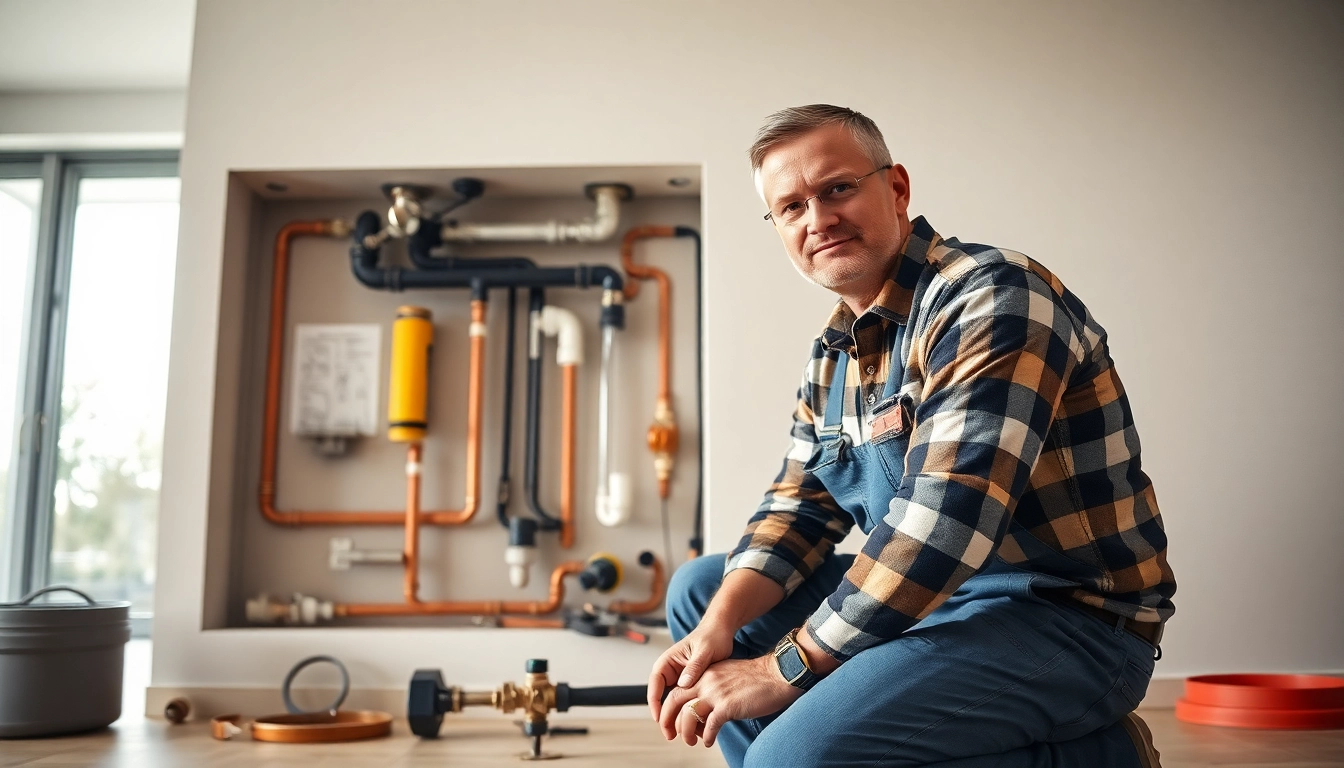
Understanding Whole House Repiping Services
What is Whole House Repiping?
Whole house repiping refers to the comprehensive process of replacing the plumbing pipes throughout an entire home. This service is critical for homeowners facing problems with their existing piping systems that may include corrosion, leaks, or outdated materials. The process involves assessing the current plumbing setup and selecting suitable materials to ensure an efficient, long-lasting solution. Many homeowners in Florida turn to whole house repiping services St Petersburg FL to restore their plumbing systems effectively.
Signs You Need Repiping in Your Home
Identifying the need for repiping is essential for maintaining home safety and comfort. Some common signs include:
- Frequent Leaks: If you notice water stains on walls or ceilings, constant dripping sounds, or visible puddles, it may indicate that your pipes are failing.
- Low Water Pressure: A sudden drop in water pressure can denote blockages, leaks, or aging pipes restricting water flow.
- Discolored Water: Rusty or brown water can signal corrosion within your pipes, which may leak harmful substances.
- Unusual Noises: Heard strange noises like banging pipes or gurgling can be a sign of air pockets or blockages, indicating that your plumbing needs urgent attention.
- Old Pipe Materials: Homes built before the 1970s often have outdated plumbing materials like galvanized steel or polybutylene, which are prone to failure.
Benefits of Whole House Repiping Services St Petersburg FL
Investing in whole house repiping offers numerous advantages, including:
- Improved Water Quality: New pipes eliminate contaminants found in older systems, ensuring cleaner and safer drinking water.
- Increased Property Value: Prospective buyers are more attracted to properties with updated plumbing systems, which can enhance your home’s resale value.
- Enhanced Water Pressure: With new, unblocked pipes, you’ll experience consistently high water pressure throughout your home.
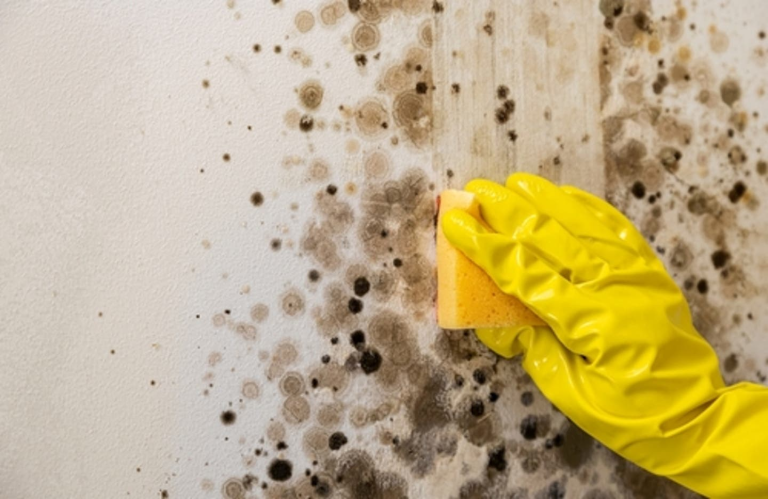
- Reduced Risk of Water Damage: By replacing old, failing pipes, you dramatically lower the risk of leaks that can lead to costly water damage and mold.
- Peace of Mind: Knowing your plumbing system is modern and reliable allows you to focus on other important aspects of home maintenance.
The Repiping Process Explained
Initial Assessment and Inspection
The first step in the repiping process involves a thorough assessment of your home’s existing plumbing. Plumbing professionals perform inspections utilizing advanced tools to identify leaks, corrosion, and other potential issues. This analysis helps them determine whether full repiping is necessary or if partial repairs could suffice.
Choosing the Right Materials
Once an assessment is complete, selecting the right materials is vital. Generally, three main types of piping materials are chosen:
- CPVC (Chlorinated Polyvinyl Chloride): Lightweight, resistant to corrosion, and affordable, making it a popular choice for many homeowners.
- PEX (Cross-Linked Polyethylene): Flexible and versatile, PEX installations often require fewer fittings and joints, reducing the potential for leaks.
- METAL PIPES (Copper or Galvanized): Known for their durability and longevity, but can be more expensive and harder to work with. Copper is also a natural bacteriostatic material.
Step-by-Step Repiping Procedure
The repiping procedure typically unfolds as follows:
- Preliminary Inspection: Evaluate existing plumbing and identify specific needs.
- Planning Layout: Determine how new pipes will be laid out, including any changes needed for better efficiency.
- Shutting Off Water Supply: Before installation begins, turn off the main water supply to the home.
- Piping Installation: Remove old pipes and install new ones according to the planned layout.
- System Testing: Once installation finishes, professionals conduct tests to ensure everything functions correctly and there are no leaks.
- Final Inspection: The final step involves reviewing the completed work to ensure compliance with local codes and standards.
Choosing the Right Plumbing Professional
Qualifications to Look For
Choosing a qualified plumbing contractor for your repiping project is critical for success. Look for these qualifications:
- Licensing and Insurance: Ensure the contractor is licensed in your state and has liability insurance to protect you and their employees.
- Experience: Prioritize contractors with extensive experience in residential repiping projects.
- Reviews and References: Request references or read online reviews to understand previous clients’ experiences.
Questions to Ask Candidates
Before selecting a contractor, ask the following questions:
- What experience do you have with whole house repiping?
- Can you provide examples or references from past clients?
- What warranties or guarantees do you offer on your work?
- How do you handle unexpected issues that may arise during the project?
- What is your timeline and process for completing the project?
Comparing Estimates and Services
When obtaining estimates from different professionals, don’t solely focus on cost. Consider the overall value, including quality of materials, warranty options, and the contractor’s reputation. A lower price may mean subpar work or materials, so ensure you understand what is included in each estimate.
Maintaining Your Plumbing System Post-Repiping
Regular Inspection and Maintenance Tips
Once your home is repiped, regular maintenance is crucial for ensuring its longevity. Here are some tips:
- Conduct annual inspections for signs of leaks or wear.
- Flush your water heater regularly to prevent sediment buildup.
- Check water pressure biannually to ensure it remains within safe ranges.
- Monitor water quality and report any changes promptly.
Common Issues to Watch For
Even with new pipes, it’s vital to remain aware of potential issues. Watch for:
- Unexplained water bills, which may indicate hidden leaks.
- Changes in water color or smell, which could signal contamination.
- Gurgling or strange noises from plumbing fixtures, suggesting blocked pipes.
When to Call a Professional Again
If you encounter consistent problems such as leaks, low water pressure persists, or if you experience water quality issues suddenly, it’s vital to contact a professional. Timely intervention can prevent larger, costlier repairs down the line.
FAQs About Whole House Repiping Services
How Long Does Repiping Take?
The duration of repiping depends on the size of the home and the complexity of the plumbing system. Typically, it can take anywhere from one to several days.
What Costs Should I Expect?
Costs vary based on home size, the material chosen, and labor. On average, repiping a whole house ranges between $4,000 and $15,000.
Can I Stay in My Home During Repiping?
In many cases, you can stay in your home; however, there may be times when water will be turned off or access to certain areas will be restricted.
How Often Should I Consider Repiping?
Most homeowners should consider repiping every 20-50 years, depending on the pipe material and water quality.
What Type of Pipes Should I Use?
Options vary from PEX (flexible and easy to install) to CPVC (cost-effective and durable) or copper (long-lasting). Choose based on your home’s needs and budget.
About the Author