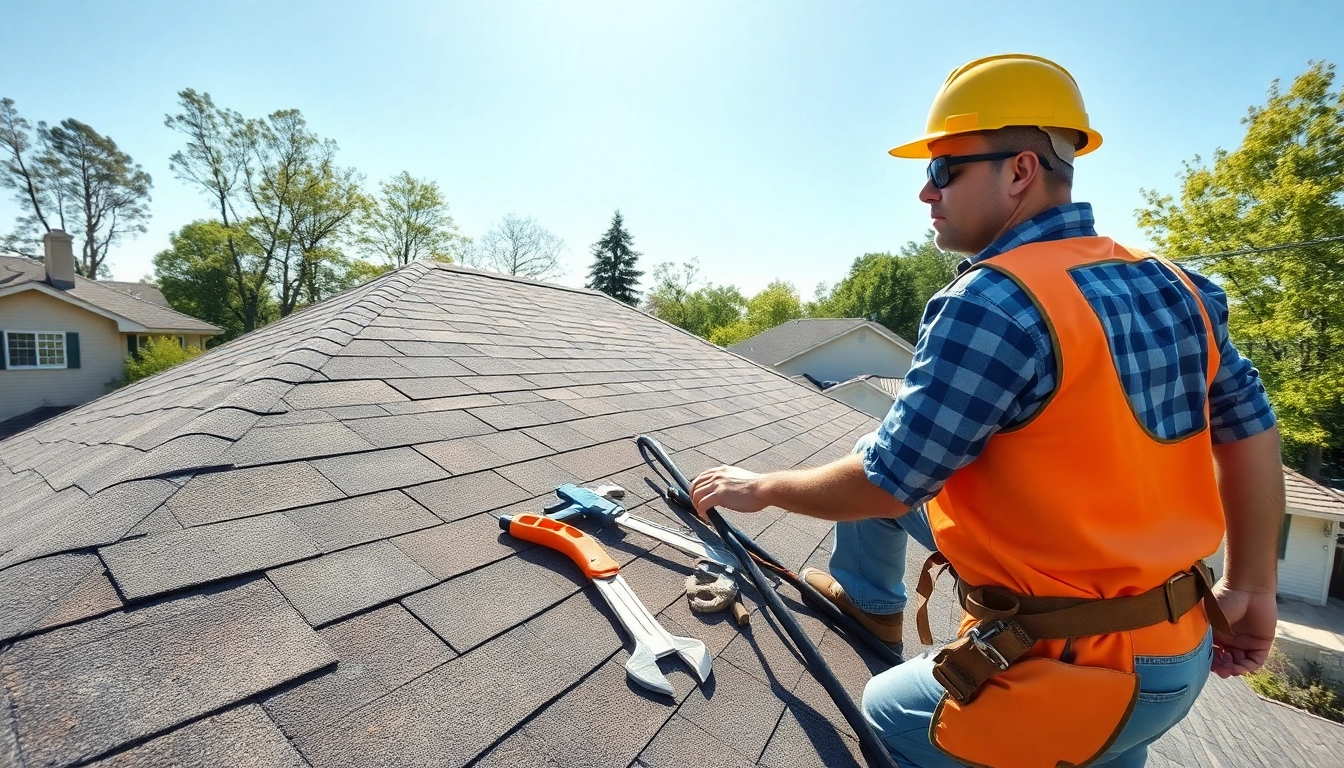
Understanding the Role of a Roofing Contractor
The role of a Roofing contractor is pivotal in the construction and maintenance of residential and commercial buildings. This professional is tasked with ensuring that roofs are installed correctly, maintained properly, and repaired when necessary. Understanding the intricacies of this role can help homeowners and businesses make informed decisions about their roofing needs.
Key Responsibilities of a Roofing Contractor
Roofing contractors have a wide range of responsibilities that extend beyond mere installation. They are involved in the planning, execution, and oversight of roofing projects. Some key responsibilities include:
- Assessment and Consultation: Evaluating the condition of existing roofs and providing consultations on options for repair or new installation.
- Material Selection: Advising clients on suitable roofing materials based on weather conditions, aesthetics, and budget.
- Installation: Overseeing roofing installation, ensuring compliance with local building codes and safety regulations.
- Repair and Maintenance: Providing services to maintain and repair roofs as necessary throughout their lifespan.
- Project Management: Coordinating with other professionals like deck installers, gutter specialists, and more to align efforts for a cohesive project.
Benefits of Hiring a Professional Roofing Contractor
There are numerous advantages to hiring a professional roofing contractor rather than attempting DIY repairs or installations:
- Expertise: Professionals possess the technical knowledge and skills acquired through training and experience.
- Quality Workmanship: They deliver high standards of work, ensuring the job is done right the first time, reducing future costs.
- Safety: Roofing work can be dangerous; professionals use proper safety precautions and equipment.
- Warranty and Insurance: Reputable contractors provide warranties and carry insurance, protecting you from potential liabilities.
Common Misconceptions about Roofing Contractors
There are a few common misunderstandings that can lead to hesitation when hiring a roofing contractor:
- All Contractors Are the Same: Not every contractor offers the same level of expertise, so it’s crucial to research qualifications.
- Only Large Companies Can Be Trusted: Smaller businesses can often provide personalized service and attention while delivering high-quality work.
- DIY Is Always Cheaper: While DIY may seem like a money-saving solution, improper work can lead to significant long-term costs.
Types of Roofing Services Available
A variety of roofing services are available, tailored to meet specific needs based on property type and requirements. Understanding these services can help clients choose the right contractor for their projects.
Residential Roofing Contractor Services
Residential roofing services focus on homes and small buildings. These may include:
- New Roof Installation: Constructing roofs on new homes, selecting suitable materials according to local climate and building regulations.
- Roof Replacement: Removing an existing roof and replacing it with a new one due to age, damage, or efficiency upgrades.
- Roof Repairs: Fixing leaks, damaged shingles, and other issues to enhance the longevity of the roof.
- Gutter Installation: Providing seamless gutter systems that ensure effective rainwater drainage, protecting the property’s foundation.
Commercial Roofing Contractor Services
Commercial roofing services cater to businesses and larger buildings, encompassing:
- Flat Roof Installation: Normally employed in commercial spaces, flat roofs require specialized techniques and materials like TPO, EPDM, or PVC.
- Roof Coatings: Applying protective coatings that extend the life of the roof and improve energy efficiency.
- Commercial Repair Services: Focusing on rapid response to commercial clients, ensuring minimal disruption to business operations.
- Inspection Services: Regular inspections to identify potential issues and maintain compliance with commercial building standards.
Repair and Maintenance Services
Repair and maintenance services are vital for the longevity of roofing systems. These services include:
- Seasonal Maintenance: Regular checks to clean gutters, inspect shingles, and assess the overall roof condition.
- Emergency Repairs: Quick responses to urgent issues, such as storm damage, to prevent further complications.
- Preventative Maintenance: Scheduled appointments making it possible to catch minor issues before they develop into larger problems.
Choosing the Right Roofing Contractor
Choosing a roofing contractor can be a daunting task, especially with so many options available. Knowing what to look for can simplify the process and lead to better outcomes for your roofing project.
Factors to Consider When Hiring
When seeking a roofing contractor, consider the following factors:
- Experience: Look for contractors with a proven track record in roofing services and a deep understanding of local roofing needs.
- Licensing and Insurance: Ensure the contractor is licensed to operate in your area and carries adequate insurance for protection against accidents.
- Price Estimates: Request detailed quotes that break down the costs, making it easier to compare offers and understand pricing structure.
- Warranty Options: Inquire about warranties on materials and workmanship to safeguard against future issues.
How to Evaluate Contractor Credentials and Experience
Evaluating a contractor’s credentials and experience is key to a successful project. Follow these steps:
- Check Reviews: Look for online reviews and testimonials from past clients to gauge satisfaction levels.
- Request References: Ask potential contractors for references and follow up to ask about their experience.
- Investigate Ratings: Look for contractors with high ratings from professional organizations and consumer advocacy groups.
Importance of Customer Reviews and References
Customer reviews and references can provide valuable insights into a contractor’s performance and reliability. Here’s how they matter:
- Trustworthiness: Positive reviews indicate a trustworthy contractor who consistently meets client expectations.
- Work Quality: Reviews often highlight the quality of workmanship, informing you of what to expect.
- Customer Service: Reviews can shed light on how well the contractor communicates and addresses customer concerns.
Roofing Materials: What to Expect
Understanding roofing materials is critical when discussing your project with a contractor. Different materials come with unique benefits and challenges.
Popular Roofing Types Used by Contractors
Contractors typically use a variety of roofing materials based on the building type and client needs:
- Asphalt Shingles: Common in residential roofing due to affordability and ease of installation.
- Metal Roofing: Known for durability and energy efficiency, metal is an excellent option for both commercial and residential properties.
- Tile Roofing: Offers a unique aesthetic and longevity, making it popular in certain architectural styles.
- Flat Roofing Systems: Often used in commercial applications and require specific installation techniques for proper drainage.
Durability and Lifespan of Roofing Materials
It’s important to consider the durability and lifespan of different roofing materials. Here are some general guidelines:
- Asphalt Shingles: Last 15-30 years, depending on the quality and climate.
- Metal Roofing: Can last 40-70 years with proper maintenance.
- Tile Roofing: Generally lasts 50 years or more, especially when well cared for.
- Flat Roofing: Varies widely; TPO and PVC roofs generally last 15-30 years.
Cost Considerations for Different Roofing Options
The cost of roofing materials varies significantly. Here are factors to keep in mind:
- Material Choice: Higher-quality materials can require a larger investment initially but may save money in the long run due to durability.
- Installation Costs: More complex materials may require specialized skills, increasing labor costs.
- Long-Term Value: Consider the total cost of ownership, including maintenance, repair, and replacement cycles.
Ensuring Quality: What to Expect from Your Contractor
Working with a roofing contractor involves setting expectations regarding the quality of work and project management.
Standards of Workmanship for Roofing Contractors
Quality workmanship is evident in several key factors:
- Attention to Detail: High standards include thorough inspection and precise application of materials.
- Compliance with Standards: Adherence to local codes and manufacturer guidelines speaks to a contractor’s reliability.
- Quality Materials: Proficient contractors opt for durable materials supported by warranties.
Timeline for Project Completion
The timeline for roofing projects can vary significantly based on a few factors:
- Project Size: Larger projects naturally require more time than smaller ones.
- Weather Conditions: Adverse weather can delay project timelines.
- Material Availability: Access to specific roofing materials can affect scheduling.
Monitoring Progress with Your Roofing Contractor
Keeping track of project progress is essential to ensure quality and efficiency. Here are ways to do this:
- Regular Updates: Maintain open communication with the contractor, establishing frequent check-ins.
- Site Visits: Take time to visit the worksite to observe the quality and adherence to project timelines.
- Documentation: Keep records of all communications, project changes, and agreements for reference.
Frequently Asked Questions
What services can I expect from a roofing contractor?
A roofing contractor typically offers installation, repair, and maintenance services for various roofing systems.
How do I find a reliable roofing contractor?
Research online reviews, seek recommendations, and ensure the contractor holds the necessary licenses and insurance.
What factors influence the cost of roofing services?
Costs can vary based on material type, roof size, labor rates, and any additional services needed.
Should I attempt DIY roofing projects?
While DIY can save money, it may lead to costly mistakes. Hiring a professional is often safest.
What warranties should a roofing contractor provide?
A quality roofing contractor should offer warranties on workmanship, materials, and any installed products.
About the Author