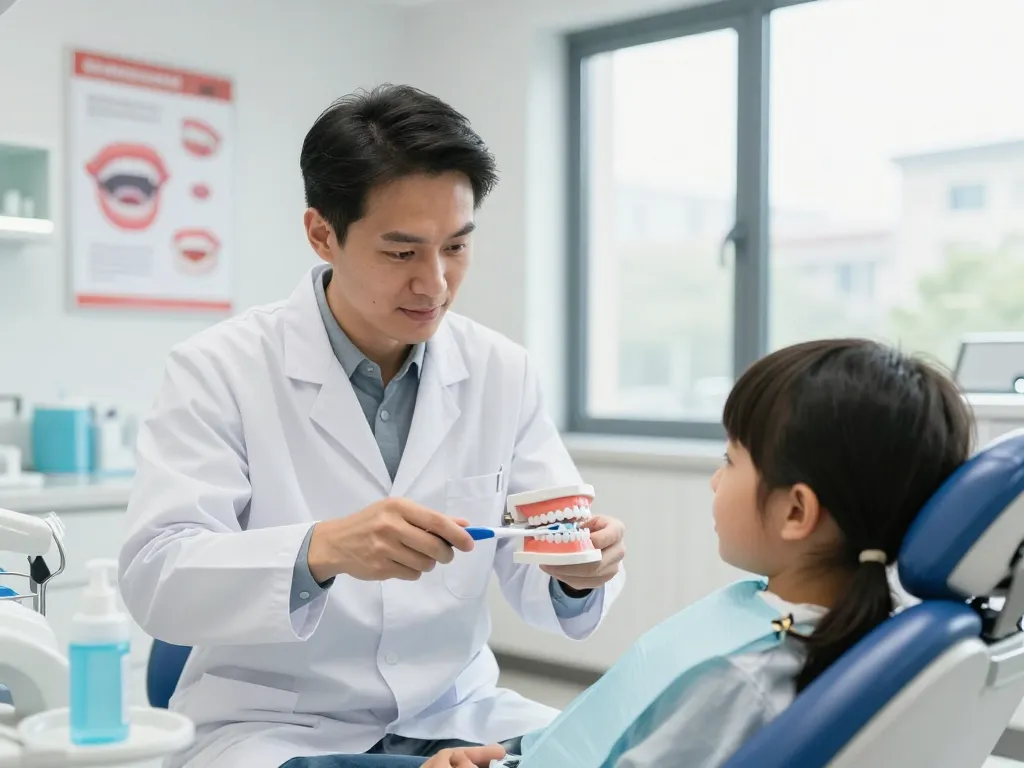
Understanding the Importance of Oral Hygiene
Oral hygiene is a critical aspect of overall health, influencing not just the condition of your teeth and gums but also your general well-being. Many people underestimate the impact that proper dental care can have on their long-term health outcomes. The mouth serves as a gateway to the body, and poor oral hygiene can lead to various complications, including heart disease, diabetes, and respiratory infections. It’s essential to adopt a comprehensive approach to oral care, which includes regular check-ups, daily maintenance, and staying informed about the latest Dentist tips for optimal dental health.
What Are Dentist Tips for Everyday Care?
Everyday dental care is vital for maintaining healthy teeth and gums. Dentists often recommend a few foundational practices that can significantly enhance your oral hygiene routine.
- Brush Twice Daily: Use a fluoride toothpaste and a soft-bristled toothbrush. Brushing effectively removes plaque and food particles.
- Floss Daily: Flossing reduces the risk of gum disease by cleaning areas that your toothbrush can’t reach.
- Use Mouthwash: An antibacterial mouthwash can help reduce plaque and gingivitis.
- Stay Hydrated: Drinking water helps rinse away food particles and bacteria.
The Role of Regular Dental Check-ups
Regular dental visits are crucial in preventing dental issues before they become significant problems. Most dentists recommend visiting every six months for a routine check-up and cleaning. At these appointments, your dentist can spot early signs of issues that require attention, such as cavities, gum disease, and oral cancer.
Additionally, professional cleanings can eliminate tartar buildup that regular brushing and flossing may miss. Your dentist can also provide personalized advice tailored to your specific dental needs based on their findings.
Challenges in Maintaining Oral Hygiene
Despite the importance of oral hygiene, many individuals encounter challenges in implementing best practices consistently. These challenges can include:
- Time Constraints: Busy schedules often lead people to prioritize other tasks over dental care.
- Access to Care: Economic or geographical barriers can restrict access to dental professionals.
- Misinformation: Many still hold outdated beliefs about oral health that can hinder proper care.
Effective Techniques for Daily Dental Care
Brushing Techniques Recommended by Dentists
Proper brushing techniques are fundamental to effective oral care. Dentists recommend the following methods:
- Angle Your Brush: Position your toothbrush at a 45-degree angle to the gums to effectively remove plaque.
- Don’t Rush: Spend at least two minutes brushing your teeth, ensuring you cover all surfaces.
- Replace Your Brush Regularly: Change your toothbrush every three to four months or sooner if the bristles are frayed.
The Impact of Flossing: Dentist Tips Explained
Flossing is often overlooked but is equally important as brushing. Here are some dentist-approved tips related to flossing:
- Use Enough Floss: Use about 18 inches of floss to effectively clean between all your teeth.
- Gentle Technique: Slide the floss gently between your teeth, curve it around each tooth, and move it up and down.
Choosing the Right Products: Toothpaste and Mouthwash
When selecting toothpaste and mouthwash, look for products that contain fluoride, which strengthens enamel and prevents cavities. You may also want to consider specialty products for specific needs, such as:
- Whitening Toothpaste: For teeth whitening.
- Sensitivity Toothpaste: For those with sensitive teeth.
- Alcohol-Free Mouthwash: For individuals concerned about dry mouth.
Common Misconceptions About Dental Care
Debunking Myths About Tooth Brushing Frequency
One common myth is that brushing once a day is sufficient. In reality, brushing twice a day is crucial for effectively controlling plaque buildup and reducing the risk of cavities and gum disease.
The Truth About Sugar and Tooth Decay
Many people believe that sugar is the sole culprit behind cavities. While sugar does contribute to decay, it’s the bacteria that feed on sugar and produce acid that causes damage to teeth. Maintaining a balanced diet and practicing good oral hygiene can greatly mitigate these risks.
Myths Regarding Dentist Visits and Oral Health
Another misconception is that if you have no pain, you don’t need to see a dentist. Regular check-ups are essential even if you are not experiencing discomfort, as many dental issues develop silently.
Advanced Care for Specific Dental Issues
Effective Strategies for Gum Health
Maintaining gum health is just as vital as caring for your teeth. Here are some strategies:
- Regular Flossing: Flossing helps remove debris that can lead to gum irritation.
- Routine Cleanings: Professional cleanings help identify early signs of gum disease.
Dealing with Sensitive Teeth: Dentist Recommendations
If you experience tooth sensitivity, consider using toothpaste designed for sensitive teeth. Consult your dentist for further evaluation, as sensitivity can be a sign of underlying issues.
Innovative Technologies in Dental Care: What to Know
Advancements in dental care technology are improving how we maintain oral health. Innovations like electric toothbrushes, water flossers, and smartphone-connected devices can enhance daily routines and promote better outcomes. Awareness of these technologies can empower individuals to take proactive steps in their dental care.
Future Trends in Dental Health for 2026 and Beyond
Emerging Technologies in Oral Hygiene
As we look ahead to 2026, innovations such as AI-driven diagnostic tools, personalized dental care regimens, and 3D printing for custom dental appliances are on the horizon, promising to revolutionize patient care.
Predicted Changes in Dental Practices
Tele-dentistry is expected to become more prevalent, allowing patients to receive consultations and advice remotely, thus improving access to dental care.
Preparing for the Future: Adapting Dentist Tips
As dental practices evolve, staying informed and adapting to these changes will be essential. Regularly updating your knowledge of Dentist tips will help you remain proactive in your oral health care.
What are the best ways to maintain oral health?
The best ways to maintain oral health include adhering to a routine of brushing twice daily, flossing once a day, scheduling regular dental visits, and practicing a balanced diet.
How often should you visit a dentist for a check-up?
For optimal oral health, it is generally recommended to visit a dentist every six months for a routine check-up and cleaning.
What are common dentist tips for children?
For children, establishing a daily oral hygiene routine early on is crucial. Dentists recommend using a soft-bristled toothbrush and fluoride toothpaste, alongside parental supervision.
How do dentist tips differ for seniors?
Seniors may face unique dental challenges, including dry mouth and gum disease. Dentists often recommend specific products tailored for these issues and stress the importance of regular dental visits as health conditions evolve.
Are there any dentist tips for preventing cavities?
To prevent cavities, dentists advise maintaining a strict oral hygiene routine, reducing sugar intake, and using fluoride products.
About the Author