Understanding When to Search for a Plumber Near Me
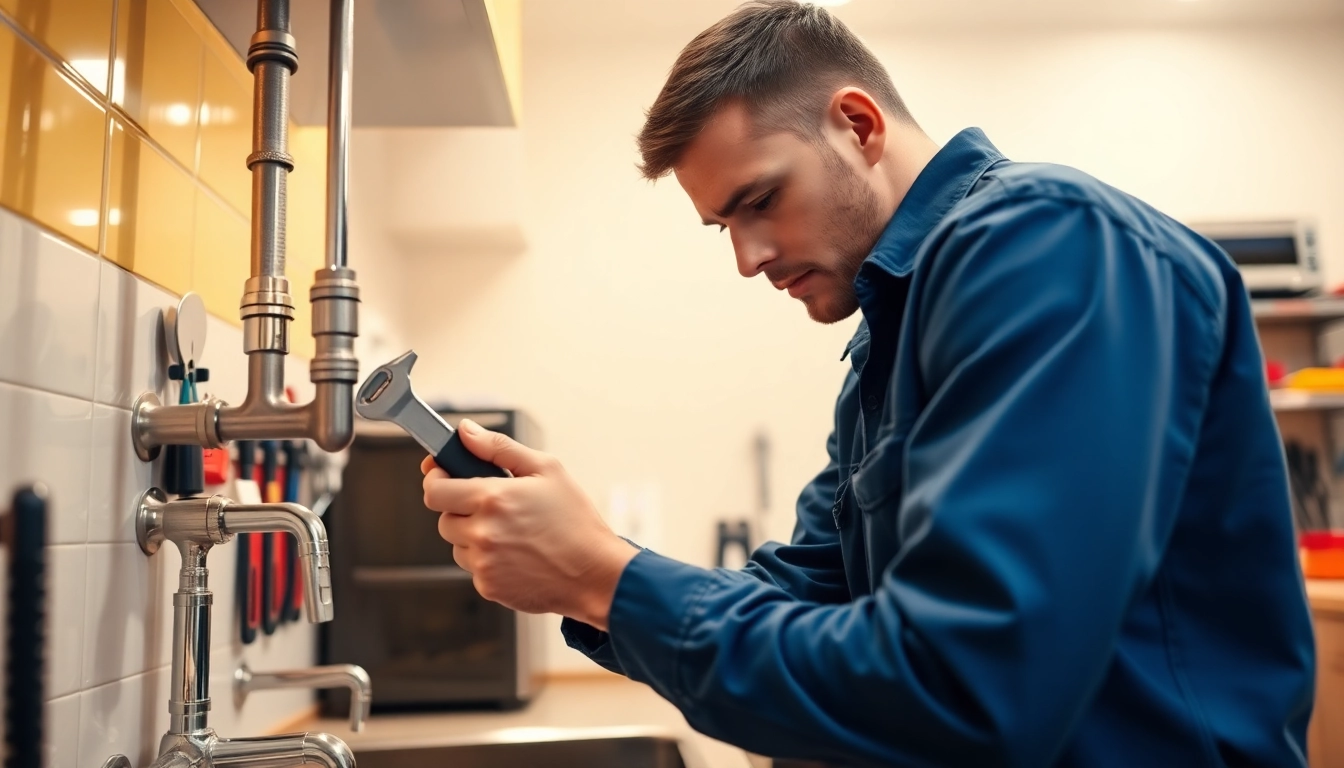
When faced with plumbing issues, the urgency of finding a reliable Plumber near me can be overwhelming. Plumbing emergencies can arise suddenly, and understanding when to seek professional assistance can save both time and money. This guide will help you recognize the signs of plumbing problems and explain when it’s necessary to call in the experts.
Common Plumbing Emergencies
There are several plumbing emergencies that can arise in residential settings, which typically require immediate attention. Here’s a closer look at some of the most common situations:
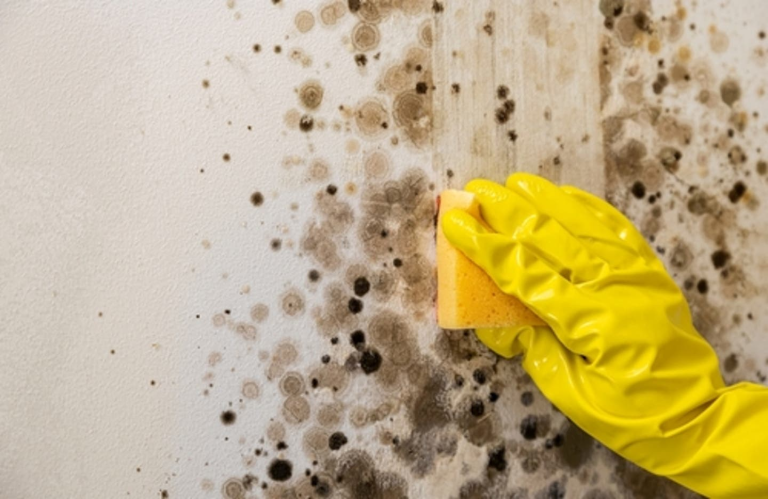
- Leaking Pipes: A leak can lead to extensive water damage and mold growth. It’s critical to address leaks at their source promptly.
- Overflowing Toilets: This can pose health risks and flooding issues. Immediate intervention is required to resolve clogging and prevent overflow.
- Burst Pipes: Often caused by freezing temperatures or excessive water pressure, a burst pipe can release gallons of water very quickly. This scenario requires immediate attention.
- Non-Functioning Water Heater: If you find yourself without hot water, especially in colder months, this is a significant issue that requires professional evaluation.
- Clogged Drains: Persistent drainage issues can lead to further complications, making it essential to contact a plumber for effective solutions.
Signs You Need Professional Help
Recognizing the signs of plumbing issues early can prevent minor problems from escalating into major ones. Here are key signs that indicate you should contact a plumber:
- Unusual noises from pipes, such as banging or gurgling.
- Water stains on the walls or ceilings, which could indicate hidden leaks.
- Low water pressure in taps or shower heads, signaling potential blockages.
- Frequent toilet clogs that indicate plumbing issues beyond simple fix.
- Slow draining sinks or bathtubs that may require professional cleaning.
Advantages of Local Plumbing Services
Opting for local plumbing services offers several advantages that can benefit homeowners significantly:
- Familiarity with Local Regulations: Local plumbers are typically well-versed in state and local building codes, ensuring compliance during repairs.
- Rapid Response Times: Proximity allows for quicker response times during emergencies, minimizing damage and repair costs.
- Community Trust: Local plumbers often rely on their reputation within the community, motivating them to provide high-quality services.
- Personalized Service: Local providers are likely to offer more personalized service and can build ongoing relationships with clients.
How to Identify a Reliable Plumber Near Me
Finding a dependable plumber is crucial for ensuring quality service and effective repairs. Here are some essential steps to help you identify a reliable plumber:
Checking Qualifications and Licenses
Before hiring a plumber, it’s essential to verify their qualifications and licenses to ensure they meet industry standards. Follow these steps:
- Request licensing information: All plumbers should hold a valid license issued by the state and any required local certifications.
- Check for insurance: A reputable plumber will carry liability insurance and worker’s compensation to protect against accidents during the job.
- Ask about experience: Inquire about their experience in the specific type of plumbing service you need.
Reading Customer Reviews and Testimonials
Customer reviews and testimonials provide valuable insight into a plumber’s reliability and service quality:
- Use online platforms to read reviews highlighting past clients’ experiences.
- Look for consistent themes in reviews—both positive and negative—to gauge overall reliability.
- Consider checking references directly from the plumber to get firsthand testimonials.
Inquiring About Service Guarantees
A professional plumber should stand behind their work with service guarantees. Consider the following:
- Ask about warranties on parts and labor provided; a reputable plumber often offers these for their services.
- Clarify the process for handling dissatisfaction or follow-up issues—ensure they are willing to rectify any concerns post-service.
Budgeting for Plumbing Services
Understanding the cost of plumbing services can help you plan effectively and avoid unexpected expenses. Here’s what to consider when budgeting:
Cost Factors to Consider
Several variables can influence the cost of plumbing services:
- Type of service: Emergency repairs typically cost more than standard services. Diagnostic evaluations may also incur a fee.
- Materials used: Prices for fixtures and repair materials can vary widely, affecting your overall cost.
- Labor rates: Consider regional labor costs and how they might impact your plumbing expense.
Getting Estimates from Multiple Plumbers
To ensure you receive a fair price, it’s wise to get estimates from multiple plumbers:
- Ask for written estimates detailing labor and material costs, helping you compare services accurately.
- Consider obtaining estimates from at least three different plumbers to evaluate the market rate.
Understanding Payment Options and Offers
Inquiring about payment options can be beneficial for managing plumbing service costs:
- Ask if the plumber offers financing options to help spread out payments over time.
- Inquire about seasonal discounts or specials that could apply to your service.
What to Expect from a Plumber Near Me
When hiring a local plumber, understanding the process and services they offer is key to a successful experience. Here’s what to expect:
Typical Services Offered
A range of plumbing services can be handled by your local plumber, including:
- Installation of fixtures and appliances, including sinks, toilets, and water heaters.
- Repair of leaks, bursts, and other emergencies requiring immediate attention.
- Regular maintenance services, such as drain cleaning and preventative inspections.
- Hydro jetting services to manage clogs and build-up in pipes effectively.
The Plumbing Repair Process Explained
Understanding the plumbing repair process can help ease concerns during a service appointment:
- The plumber will assess the problem, often requiring a brief diagnostic evaluation.
- After diagnosing, they will present possible solutions, including estimated costs.
- Once approved, the plumber will provide the necessary repairs, explaining each step along the way.
Post-Service Follow-Up and Maintenance Tips
After service completion, there are several essential best practices to maintain your plumbing system:
- Request maintenance tips from your plumber to avoid future issues.
- Keep an eye out for any recurring symptoms that may require follow-up services.
- Consider scheduling regular maintenance checks to catch smaller problems before they escalate.
Frequently Asked Questions about Local Plumbing
How can I find a trustworthy plumber near me?
Start by checking online reviews and ratings, ask for referrals from friends, and verify licenses and insurance. This will help you identify qualified local plumbers.
What should I do in a plumbing emergency?
Shut off the main water supply to prevent further damage, contain any spills, and call a professional plumber immediately for urgent repairs.
Are there any warranties on plumbing work?
Many plumbers offer warranties on their services. Be sure to ask about the specifics of warranties for both parts and labor before hiring.
What are common plumbing issues in homes?
Common issues include clogged drains, leaky faucets, running toilets, and burst pipes. Regular maintenance can help prevent these problems.
How do I maintain my plumbing systems?
Regularly check for leaks, clean drains, avoid flushing unsuitable materials, and schedule professional inspections to maintain your plumbing effectively.
About the Author