Understanding Shower Doors Sliding
What are Shower Doors Sliding?
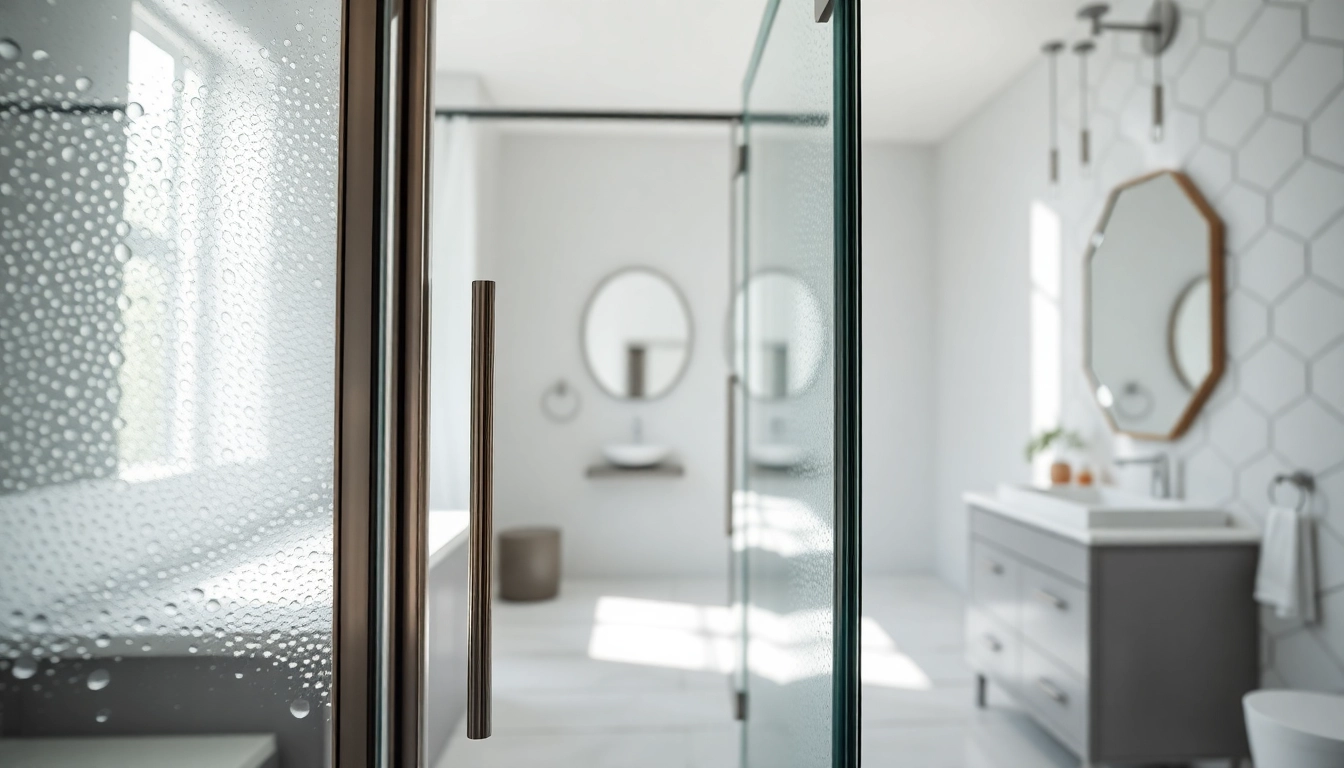
Shower doors sliding are increasingly popular in modern bathrooms due to their efficient use of space and sleek appearance. Designed to move horizontally rather than swing open, these doors maximize room accessibility, making them ideal for smaller bathrooms. Typically composed of glass panels that glide along a track, they provide an unobstructed view of the shower area while preventing water from splashing out. Their seamless design enhances both functionality and aesthetic appeal, offering a contemporary touch to your bathing space. For more options, explore shower doors sliding that cater to various styles and needs.
Advantages of Shower Doors Sliding
The choice of shower doors sliding offers several noteworthy advantages:
- Space-Saving Design: Unlike traditional hinged doors, sliding models do not require additional space to swing open, making them perfect for compact areas.
- Enhanced Aesthetic: The sleek lines and glass surfaces of sliding doors contribute to a modern aesthetic, enhancing the overall look of your bathroom.
- Easy Accessibility: They provide easy access for individuals of all ages, including the elderly or those with mobility challenges.
- Reduced Water Spillage: With a well-designed sliding mechanism and seals, these doors effectively contain water within the shower area.
- Less Maintenance: The absence of hinges and hinges makes them easier to clean, as there are fewer crevices where dirt can accumulate.
Key Features to Consider
When choosing shower doors sliding, certain features can significantly impact usability and satisfaction:
- Glass Thickness: Opt for at least 1/4 inch thick glass for durability and safety.
- Track System: Choose a high-quality roller system for smoother operation and longevity.
- Water Seals: Look for quality seals that enhance water containment and minimize leaks.
- Style and Finish: Select designs that match your bathroom’s décor, taking into consideration frame finishes and glass textures.
- Mounting Options: Wall-mounted versus floor-mounted options can affect installation and aesthetic appeal.
Design Options for Shower Doors Sliding
Frameless versus Framed Styles
Frameless sliding shower doors offer a minimalist look that showcases the beauty of glass while promoting an open, airy space. Without a bulky frame, these doors enhance the modern feel of the bathroom and are easier to clean due to their fewer crevices. On the other hand, framed styles, while providing additional structural support, can sometimes look more traditional or bulky. They are usually more budget-friendly, making them a practical choice for those looking to redesign their bathrooms without extensive renovations.
Material Choices and Durability
The two primary materials for shower doors sliding are tempered glass and acrylic. Tempered glass is known for its durability and safety; if shattered, it breaks into small fragments rather than sharp shards. Acrylic, while lighter and often more affordable, may scratch more easily and may not have the same luxurious feel as glass. Depending on your preference for durability and aesthetics, select the material that best suits your lifestyle.
Color and Finish Selections
Color and finish are significant in customizing your shower doors sliding. Clear glass is the most common choice, offering a clean look, but frosted or patterned glass can provide added privacy without sacrificing style. Finishes for frames or hardware also vary, with options such as chrome, brushed nickel, and oil-rubbed bronze available to complement your bathroom’s existing fixtures.
Installation Guidelines for Shower Doors Sliding
Preparing Your Bathroom Space
Before installation, ensure that your bathroom space is ready. This includes measuring the shower opening accurately, assessing the wall and floor conditions, and determining the type of door you will be installing. Make sure to clear the area where the installation will occur to facilitate a smooth process.
Step-by-Step Installation Process
Installing shower doors sliding involves several key steps:
- Measure the Opening: Ensure that you get accurate dimensions for the new doors.
- Install the Track: Securely mount the top track to the wall, ensuring it’s level.
- Attach the Rollers: Attach rollers to the glass panels before placing them onto the track.
- Install the Bottom Track: Fix the bottom track to the shower floor, ensuring it aligns with the top track.
- Seal and Finish: Apply silicone sealant around outer edges to complete the installation and prevent leaks.
Common Mistakes to Avoid
Common pitfalls during installation can lead to frustration later on:
- Inaccurate Measurements: Always double-check measurements to avoid unnecessary mistakes.
- Skipping Level Checks: Ensure the tracks are level to prevent operational issues.
- Underestimating Weight: Know that glass panels can be heavy, requiring extra hands during installation.
- Poor Sealing: Take care to seal properly to prevent leaks and water damage.
- Rushing the Job: Take your time to ensure a professional-quality installation rather than hurrying through steps.
Maintenance Tips for Shower Doors Sliding
Cleaning Techniques for Longevity
To maintain your shower doors sliding, regular cleaning is essential to prevent soap scum and mineral buildup. Use a daily shower cleaner or a mixture of vinegar and water to wipe down the glass after each use. Avoid abrasive cleaners that can scratch the glass surface, and instead opt for soft cloths or non-abrasive sponges to ensure a streak-free shine.
Addressing Common Issues
Over time, you may encounter some common issues with sliding doors:
- Sticking Doors: If the doors begin to stick, check the rollers to see if they need lubrication or replacement.
- Water Leaks: Inspect the seals regularly to ensure they are intact and replace them if they show signs of wear.
- Scratched Glass: Minor scratches can sometimes be buffed out with a glass polishing kit, but deep scratches may require panel replacement.
Seasonal Maintenance Checklist
To keep your shower doors in top condition all year round, consider the following checklist:
- Spring: Deep clean the entire shower area, including door tracks.
- Summer: Check seals and rollers; reapply silicone sealant if needed.
- Fall: Inspect for any signs of wear and tear; schedule repairs as necessary.
- Winter: Ensure that bathroom ventilation systems are working to prevent moisture buildup.
Trends in Shower Doors Sliding
Innovative Features in Modern Designs
The latest trends in shower doors sliding include features that enhance user experience and aesthetic appeal. This includes soft-close technology, which prevents slamming, and built-in lighting that illuminates the shower area without requiring additional fixtures. Additionally, customizable options like built-in shelves and specific patterned designs have become increasingly popular.
Sustainable Materials and Practices
As the emphasis on sustainability continues, manufacturers are incorporating eco-friendly materials into their shower doors sliding lines. This includes recycled glass and low-impact manufacturing methods. Such choices not only reduce the environmental footprint but can also appeal to eco-conscious consumers looking to minimize waste in their homes.
Future Trends to Watch
Looking ahead, smart shower technology is on the rise, with features like integrated temperature controls and water flow meters becoming more common. Additionally, customizable shower accountability tools that allow users to track water usage efficiently could emerge, encouraging responsible water consumption in the bathroom environment. These innovations signify an exciting new direction for shower doors sliding.
Frequently Asked Questions
1. How do I clean my sliding shower doors?
Use a mixture of vinegar and water or a daily glass cleaner to prevent soap scum buildup. Wipe with a soft cloth for a streak-free finish.
2. Are sliding shower doors safe for children?
Yes, they are generally safe! Ensure to install child-proof locks if needed and supervise young children while using the shower.
3. Can I install sliding doors myself?
Yes, with proper measurements and tools, you can DIY. However, professional installation ensures optimal functionality and safety.
4. What materials are best for sliding doors?
Tempered glass is preferred for its safety and durability, while acrylic offers a lightweight, cost-effective alternative.
5. How do I fix leaking sliding shower doors?
Inspect the seals and tracks for damage. Replace worn seals and reseal with silicone if leaks persist.
About the Author